My ancestors were Kashmiri, maybe thats why I feel so much connection with the culture and the people of J&K. Also another reason could be that I am always gunning for the “under-dog” and they surely have been the underdog with all their political problems which have resulted in a crushing poverty and a huge amount of jobless youth.
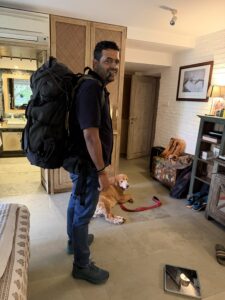
Our backpacks from Decathalon put to good use.
I was invited by a friend to a media conference in Srinagar and so instead of going to Manali, which was the previous plan, I decided to go on a road trip in Kashmir instead after the conference.
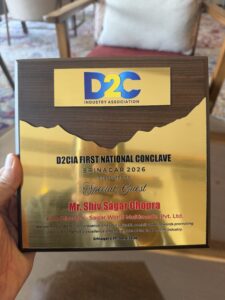 |
(left) My short speech at the conference regarding J&K film and television industry. (right) – the award i received for my participation.
The first stop was Gurez valley. We left from Srinagar around 3 PM, my friends picked me up from the Taj hotel, which was actually really nice perched on top of a hill overlooking the entire Dal Lake, and we drove in a friend’s car towards Gurez. It was a Saturday afternoon. The drive was beautiful with many check points along the way, where we have register our names in outdated paper registers and show our Aadhar Cards at every check point which was really frustrating. It was beautiful to cross the Razdan Pass: The high-altitude mountain pass (11,672 feet) crossed to enter the valley from Srinagar.
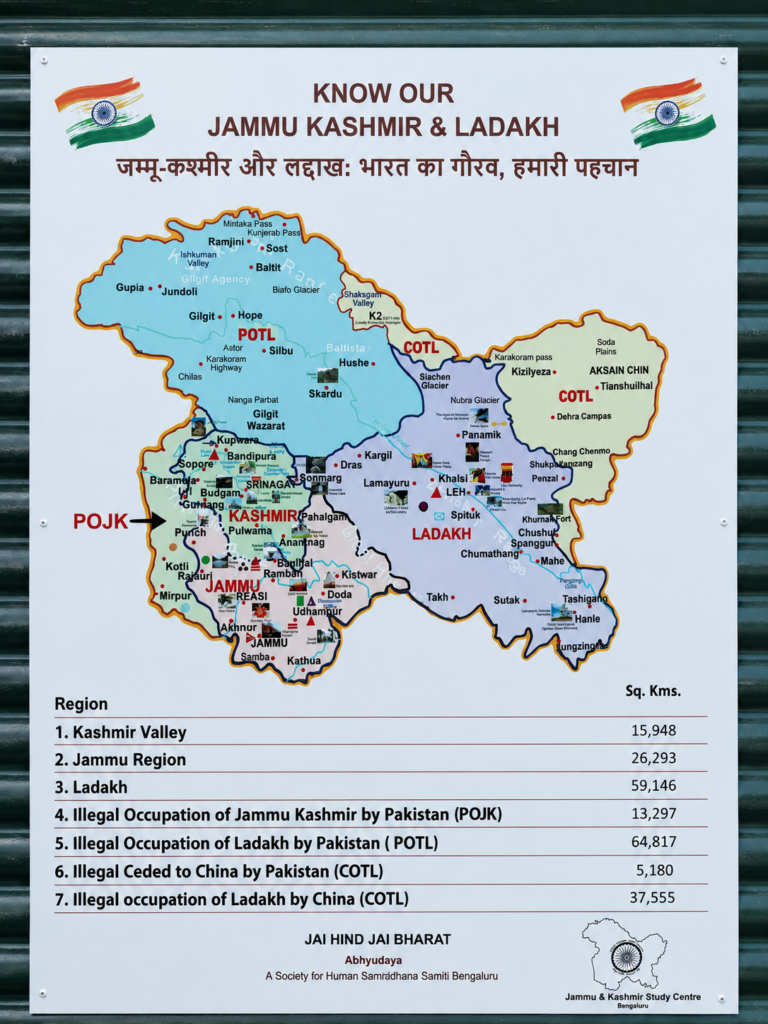
the map of J&K displayed on one of the various check-points, showing exactly how much area has been annexed by Pakistan and how much by the the rogue nation China.
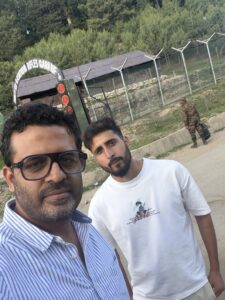
Owase Bashir, my friend from Kulgam, who I had met last year in June when I had visited Srinagar 25′, he was our host and local guide. This photo is at one of the many check points along the way to gurez valley.
https://www.instagram.com/owais_bashir13
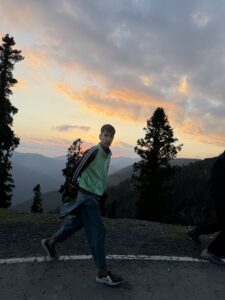 |
A beautiful sun-set enroute to the drive to Gurez valley, which takes about 6 hours from Srinagar. (left), A young Kashmiri lad walking on the road in the same sun-set. (right)
I was expecting that there will 10-15 tents in Gurez valley because it is a less frequently place and quite far away on the border of India and Pakistan. We had made any bookings. We went by the judgement of our local friends. We reached Gurez at 930 PM and were in for a surprise. There were scores of tents pitched by the river side, and there were a few thousand people there in the valley, restaurants, cafes, home-stays and hotels. I was in for a rude shock because I thought we would have the place for ourselves. Mostly Kashmiri tourists frequent the place esp in the summer months and on weekends. There were no tents available for us to sleep in as all were taken. We had packed our tents, sleeping bags, gas stove, ration etc. from Srinagar itself and requested the camp-site operators if we could pitch our own tent for the night. They agreed and we pitched our own tents and as I lay exhausted in the cozy sleeping bag, there was loud music and chatter. I thought it would die out as the night proceeds but I was wrong. I wasnt able to sleep the entire night and finally had to scream and shout at the nearby tent to keep it quiet. It was a terrible night, as the temperatures dropped a lot by the river side, and it became freezing cold. The body was tired already from the travelling. Gurez was not turning out to be as I expected.
 |
 |
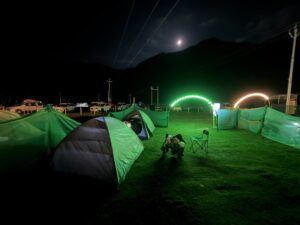
The camp-site where we camped for the night. It was going towards full-moon, few days away! (left)
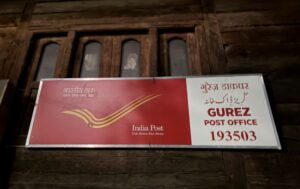
As we walked around gurez finding ourselves dinner, I stumbled upon this old wooden houses, which was the post-office. In the old Gurez architecture there were only wooden houses (see video below) how beautiful it might have been before concrete and commerce took centre-stage.
 |
Old wooden houses of Gurez valley, they are still there but less (left)
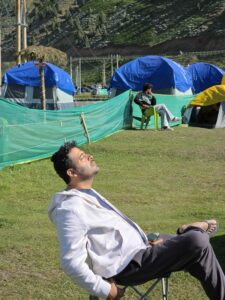
Me enjoying some morning sun after a sleepless night of tourists playing blaring music all night long (right)
The next day, we went around the Gurez valley but being a Sunday there were too many crowds everywhere and I wanted to hide somewhere in a corner away from all the people because I have not signed up for this. We visited the Habba Khatoon Spring (is called Chashma in Kashmiri language), who was a peasant girl who became the queen of Kashmir when married to Sultan Yousuf Shah. The Spring is located at the base of the iconic pyramid-shaped Habba Khatoon Peak. The King fell in love with her while on holiday in Gurez. I took a dip in the Kishanganga River: A turquoise-blue river running through the heart of the valley, popular for trout fishing. So instead we walked to quiet spring and cooked our lunch with our equipment that we were carrying.
 |
 |
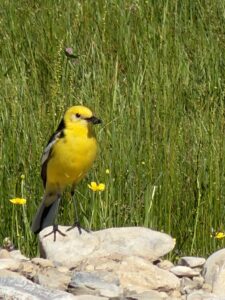
Black-backed Citrine Wagtail (Motacilla citreola calcarata).The Breeding Dress: In the summer months, the males of this particular Himalayan subspecies molt into a striking jet-black back and black collar, contrasting heavily with their intensely bright yellow heads.Habitats in Gurez: They are frequently spotted scanning for insects near the pebbled shores of the Kishanganga River and surrounding wet marshlands. (right)
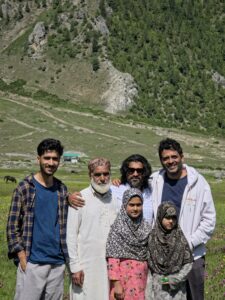
With local villagers in the Gurez valley. (left)
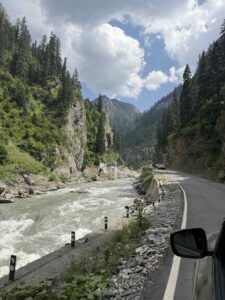
Since we wanted to run away from the crowds, in a desperate attempt to finding new routes, we started to drive unknowingly towards Drass along one of the most scenic routes I have ever seen. It was heavily monitored road by the army with a lot of check points but scenery was something out of this world. The army stopped us and sent us back at one point. We even made plans to reach Leh from excitement while we were on this road. Apparently its closed for civilian traffic.
 |
cooking lunch (Ramen noodles) with our small stove (extreme left) after we ran away from the weekend tourist crowd swell at gurez.
The scenic drive towards Mushkoh Valley in the Tulail region of Gurez. (middle and extreme right)
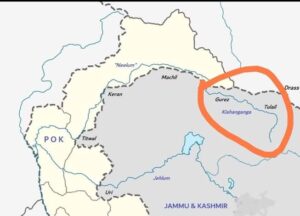
The road from Gurez to Drass is a high-altitude, 130-kilometer route running through Kaobal Gali and the Mushkoh Valley. It serves as an alternative path between Kashmir and Ladakh, though civilian access remains heavily restricted and tightly controlled for security reasons.
Route and Geography
* The Link: Connects Chakwali/Abdullan in the Tulail region of Gurez to Drass in Kargil via Kaobal Gali.
* Highest Pass: Kaobal Gali sits at an elevation of 4,166.9 meters (13,670 feet).
* Scenery: Passes through the scenic Mushkoh Valley and near the alpine lake Kaobal Sar, running close to the Line of Control (LoC).
Road Conditions and Access
* Maintenance: Maintained by the Border Roads Organisation (BRO) project Beacon.
* Vehicle Requirement: It is a rough fair-weather track requiring rugged 4×4 vehicles past the final civilian settlements.
* Travel Status: Historically used mostly by the military, local authorities and representatives have discussed opening and improving the route for tourism, but civilian transit remains strictly limited or subject to specific local permit clearances depending on current military protocols.
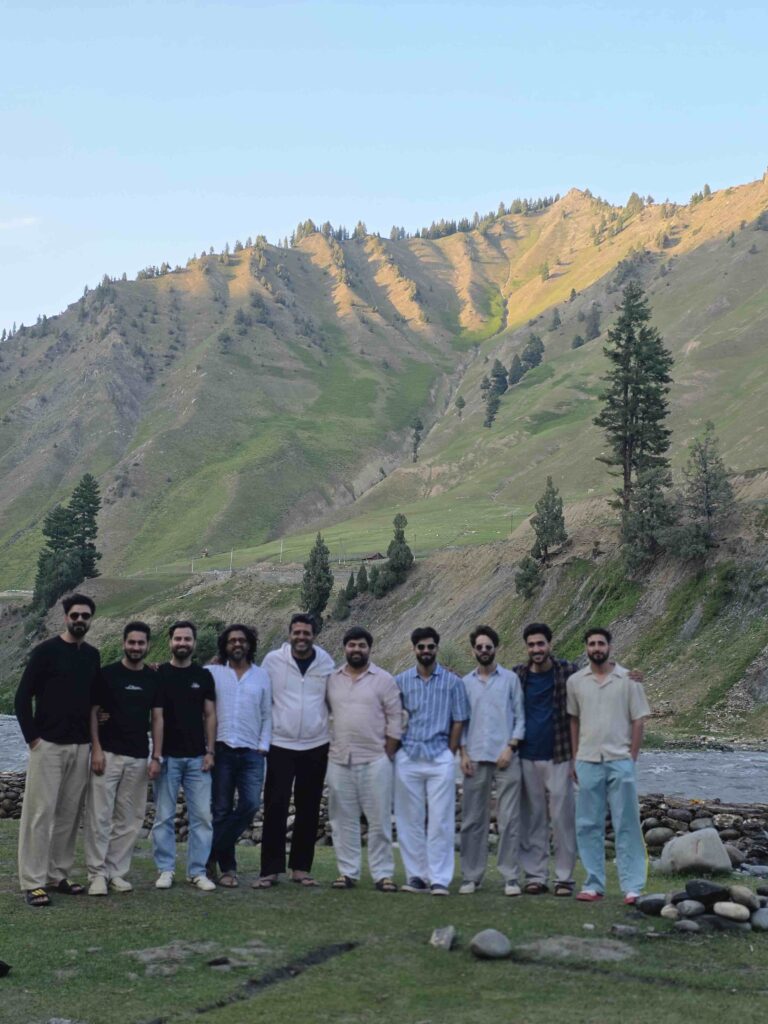 |
As we drove back from the beautiful scenic drive, we noticed a group of boys playing cricket by the river in the nearby valley. We went up to them and started talking to them. They were all friends mostly from Baramullah and other nearby places, and were on a trip together for the weekend. One of them was a great photographer who had beautiful insta page of Kashmir dedicated photos and videos. One of them was a model but he was working in hospitality in Qatar. One of them was a business man dealing in Gold etc. We became friendly and they invited us for lunch. We sat down with them for hours chatting and had lunch together. It was such a surreal experience and got me thinking how friendly Kashmiris are.
The next day we left from Gurez, and decided to head back to Srinagar. Our friend who was travelling with us, knew a spot and we decided to check it out. It was very close to the India-Pakistan border area, so we drove through beautiful pine trees in that direction.
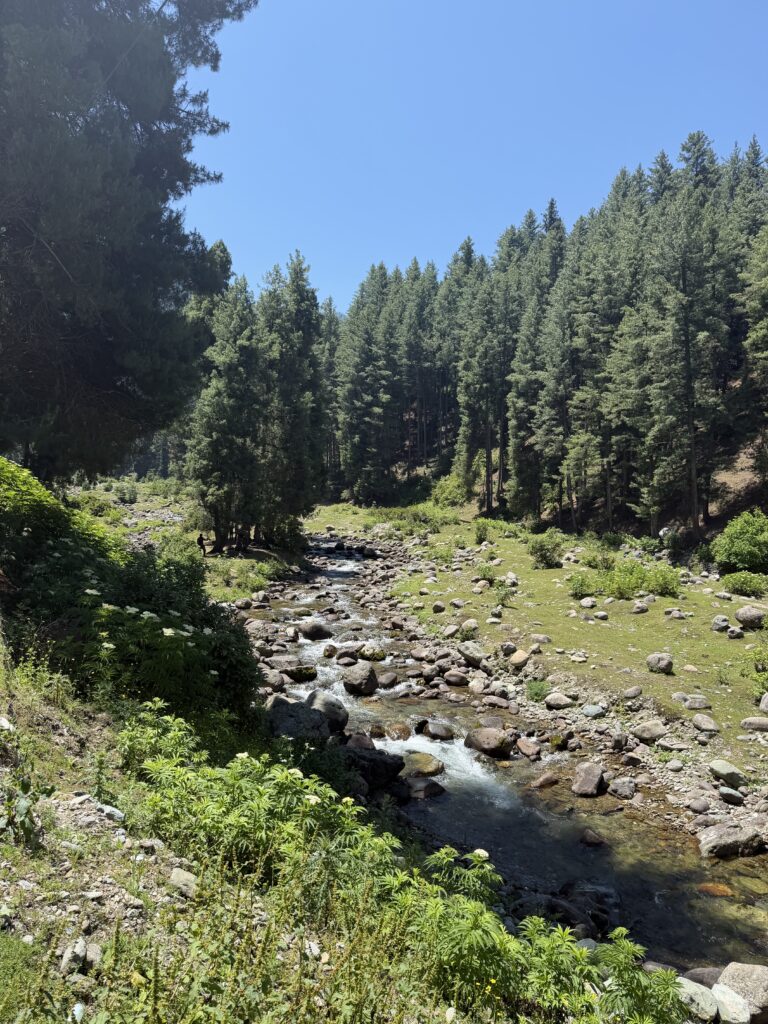 |
Right – Saying goodbye to Gurez and the Kishanganga river.
Left – Reaching a new spot near the India-Pakistan border.
In a short drive from Gurez, we reached a isolated spot near the India-Pakistan border, where the Army and local police stopped us and checked the car. Our Kashmiri friends were allowed further inside, but we had step out of the car, as they went ahead to explore the area. We walked by a beautiful stream, and reached a small cafe, which had been opened by a local, after retiring from the army (20 years).
We got chatting since it was such a beautiful spot, we changed our plans to travel to Srinagar immediately and instead spent the entire day here. We swam in the stream. He had a trout farm just behind his cafe, where we watched him catch some fresh trout fish. Sandy took over the kitchen and started to cook a delicious meal for us including the cafe owner, while we took turns to swim in the crystal glacier water stream. Soon a meal was ready, and before we knew it, it was evening and time for us to leave for Srinagar. This turned out to be the best de-tour and much better than the maddening crowds of Gurez.
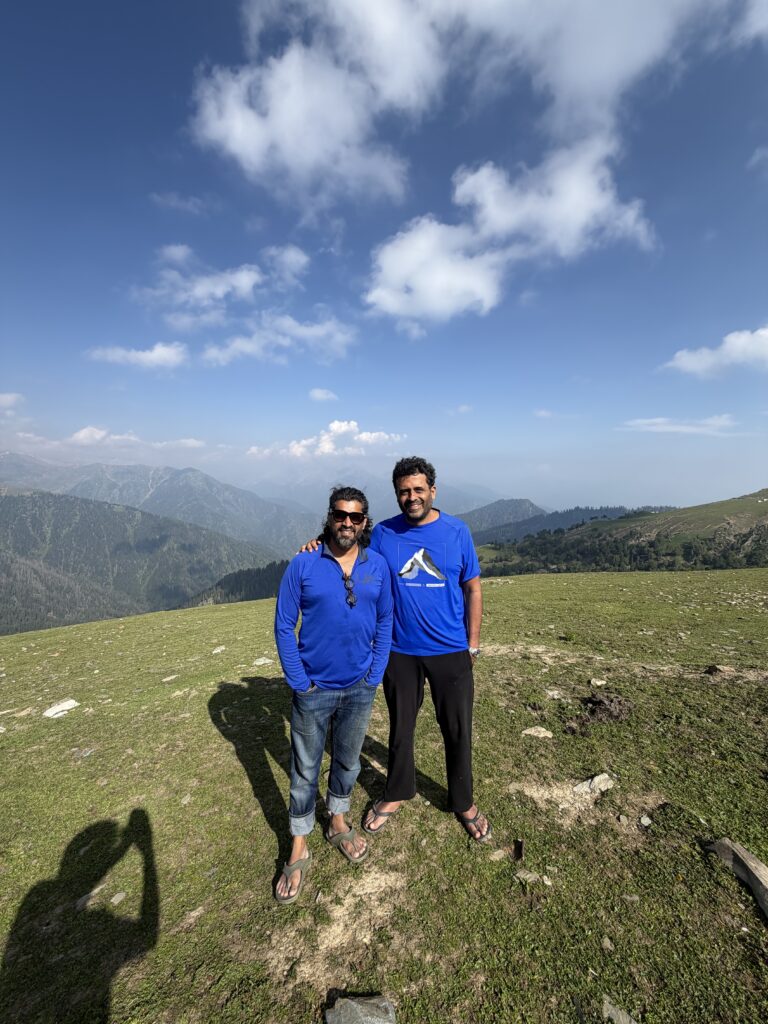 |
Right – Me and Sandy at Razdan pass on the way back to Srinagar.
Left – Cafe owner at the trout farm (Bandipore district).
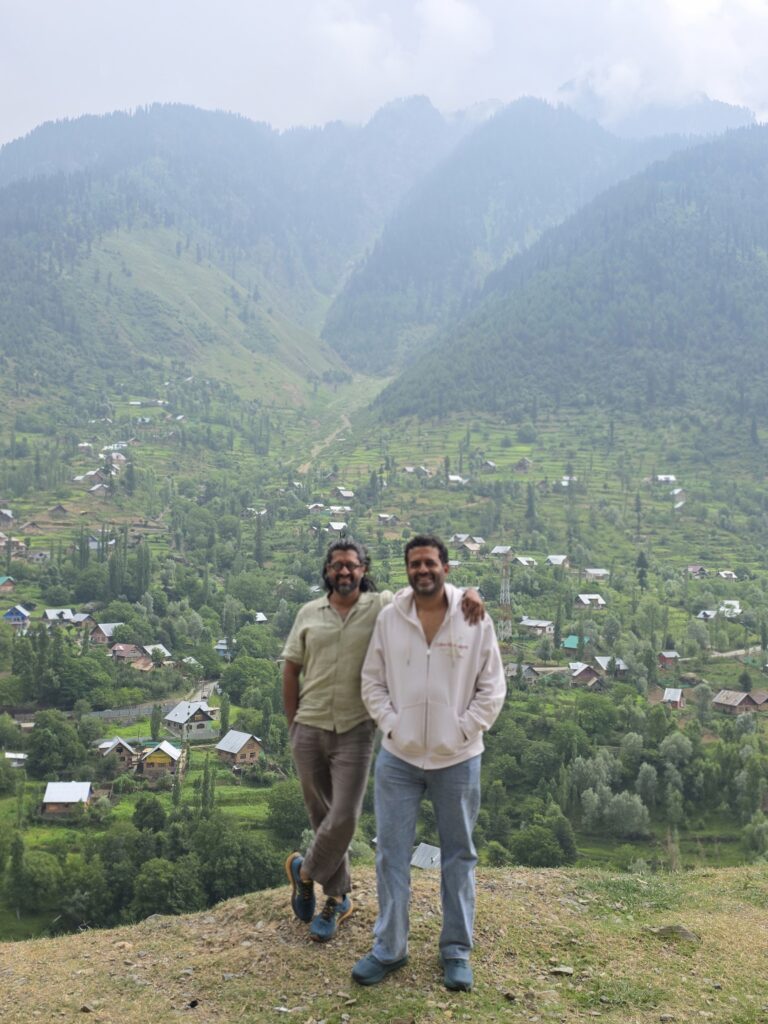
We reached Srinagar, refreshed from all fresh mountain air, but tired due to long journey back. We rested in Srinagar for 2 days exploring the local sites, cafes. A local journalist friend suggested we visit a cafe at night Chakosi Makosi. We have been staying in Srinagar at Yasmine’s place in Rajbag, she runs a gorgeous Inn just behind her Bungalow with a large hall and a staffed kitchen. I highly recommend it. She and her brother are super friendly, and since we stayed there last year as well, we decided to stay again with her.
https://www.instagram.com/travellers_innsgr/
We went to this cafe for dinner, and the table besides us two men were sitting and yapping. We went about our usual activities and ordered our food. It was a beautiful cafe with a view of Dal Lake, and with outdoor European sitting on the street side, which I was enjoying very much. We started talking to the two men on the table besides us, and thats what I really enjoy about Srinagar and Kashmir that people are very friendly. One of them turned out to be cafe owner, from the Shaw family. He explained that their original name used to Shah but then due to foreigners not being able to pronounce it, they changed it to “Shaw”. They were a 200-year old Family in the valley with their main business being Shawls and Pashmina. He explained how they named the cafe. They had a shawl with a zig-zag print and they didn’t know what to call it. Finally they came up with the name “Chakosi Makosi” and then that became the name of the cafe too! We have an incredible conversation with him and his friend Zubin, who was settled in Canada and was visiting Kashmir with his family. It was an incredible evening. I would highly recommend anyone visiting Srinagar to check out the Cafe, also do visit the Tibetian Bowl for Thukpha and other delicacies.
https://www.instagram.com/chakosimakosi
https://www.instagram.com/tibetan_bowl/
 |
 |
 |
 |
 |
|

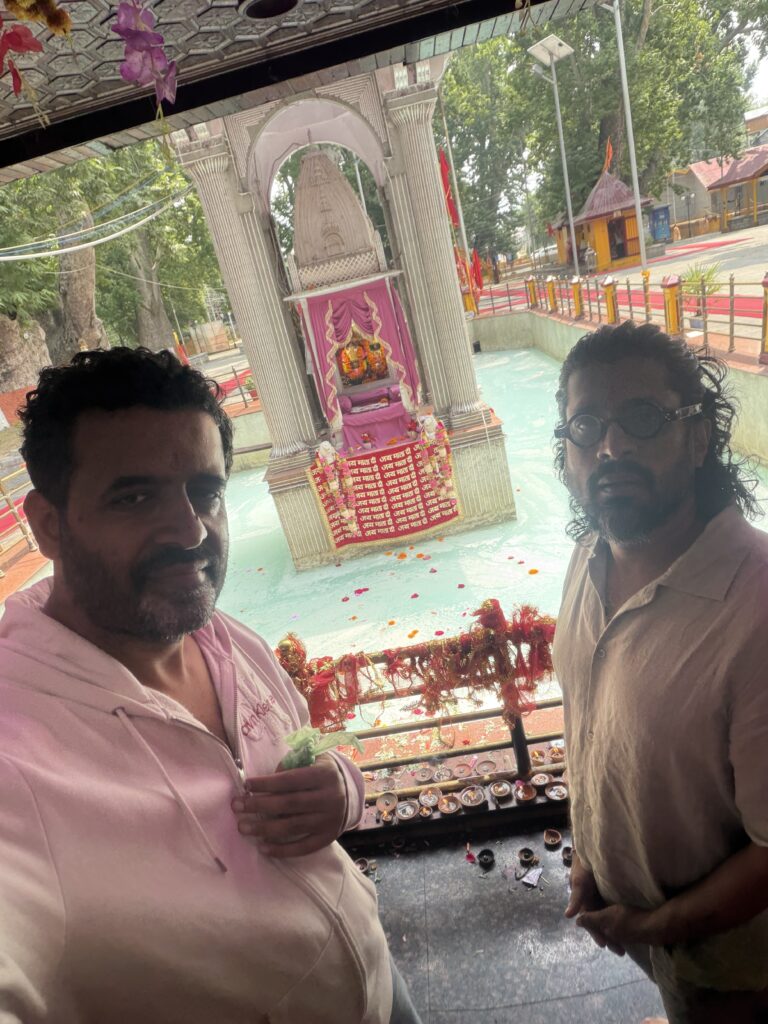
While in Srinagar, we made some day trips. We visited my “KulDevi” or family diety, which i try and visit every year called KheerBhawani. It is gorgeous temple about half-hour drive north of Srinagar. Actually Kashmir has a deep Hindu heritage. Kashmir comes from Kashyap Meer. Meer is a name for Saint. Kashyap Rishi was the son of Sage Marichi, who is the one the mind-born sons of Lord Brahma (The creator). Legend has it that Kashyap Rishi was an architect and Kashmir was a gigantic valley full of glacier water in the past. He constructed an outlet and drained the water from the valley, becoming associated with the name of the area.
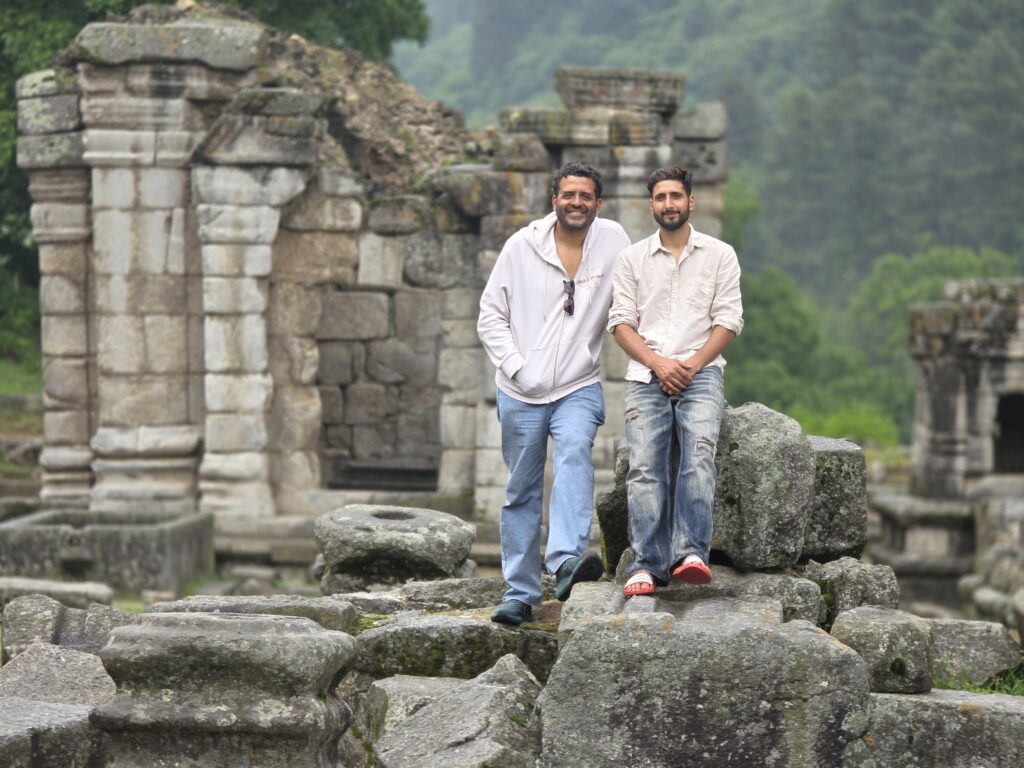
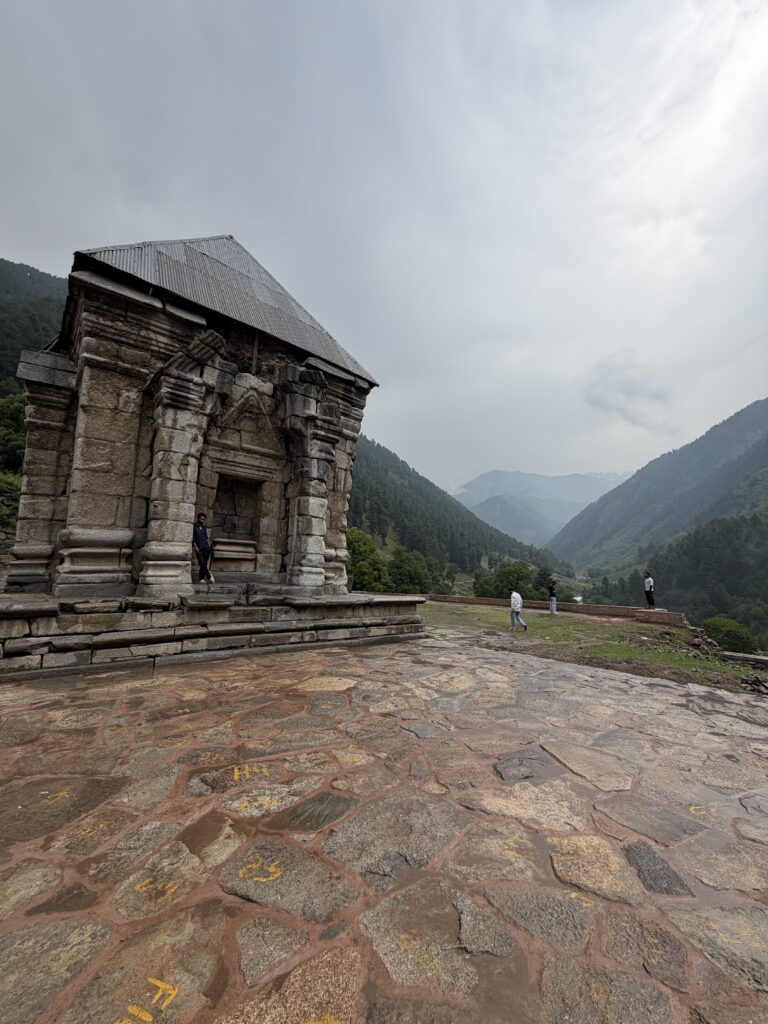
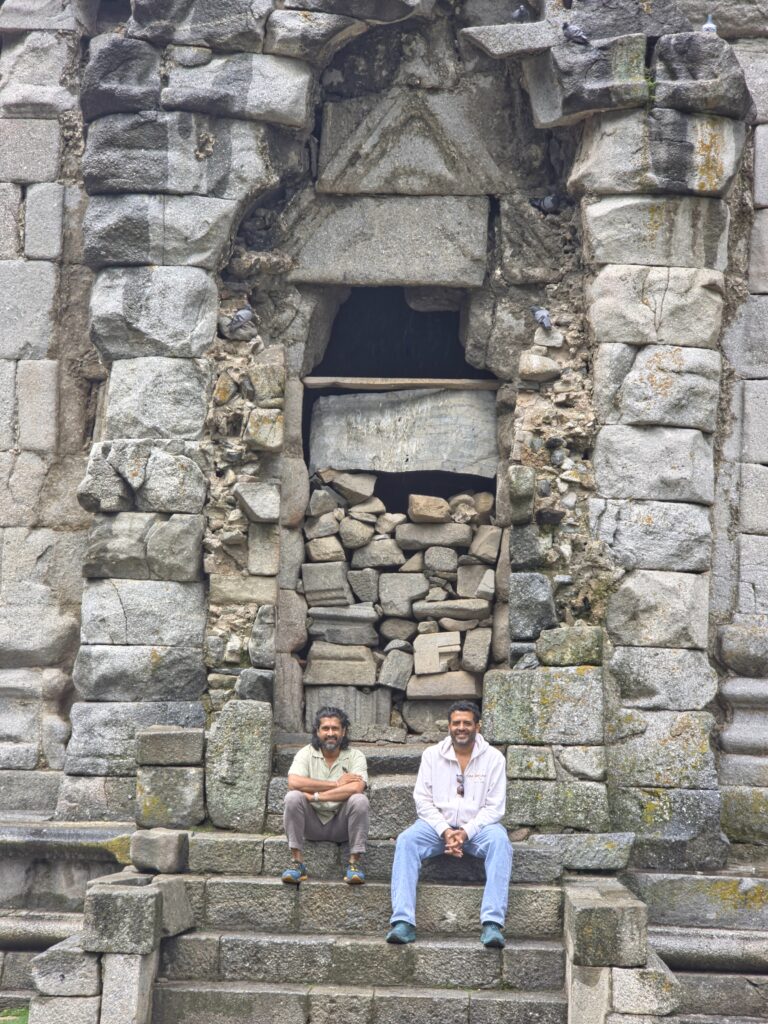
Also from there we visited NaraNaag, which is a gorgeous 8th century Shiva Temple ruins, which was made by one of Kashmir’s greatest Kings ever alive – Lalitaditya Muktapida (reigned c. 724–760 CE) was the most powerful emperor of the Karkota dynasty of Kashmir. His rule is widely celebrated as the “Golden Age of Kashmir” due to his unprecedented military conquests, administrative reforms, and monumental architecture. The primary account of his life comes from the 12th-century historical chronicle Rajatarangini, written by the scholar Kalhana.
Lalitaditya broke out of the mountain boundaries of the Kashmir Valley to establish a vast empire. He famously defeated King Yashovarman of Kannauj, a major power in Northern India at the time. His campaigns reached as far as Bengal (Vanga) and parts of Punjab. He formed strategic alliances with the Tang Dynasty of China to check the advance of the Tibetan Empire in the Himalayas. He also successfully repelled early Umayyad Arab advancement into North India via Sindh and Punjab, securing his borders for decades.
The famous Martand Sun Temple is one His absolute masterpieces near Anantnag. It is India’s oldest major Sun temple. Built out of massive limestone boulders, its unique design fused indigenous Kashmiri temple layout with Greek, Roman, and Gandharan architectural styles.
Parihasapura Capital: He founded a grand new capital city called Parihasapura (near modern Srinagar). The city featured sprawling palaces, massive royal treasuries, and large Buddhist monasteries housing colossal Buddha statues. While he was a devout follower of Hinduism (Shaivism and Vaishnavism), he heavily patronized Buddhism, funding monasteries, stupas, and shrines across his territory.
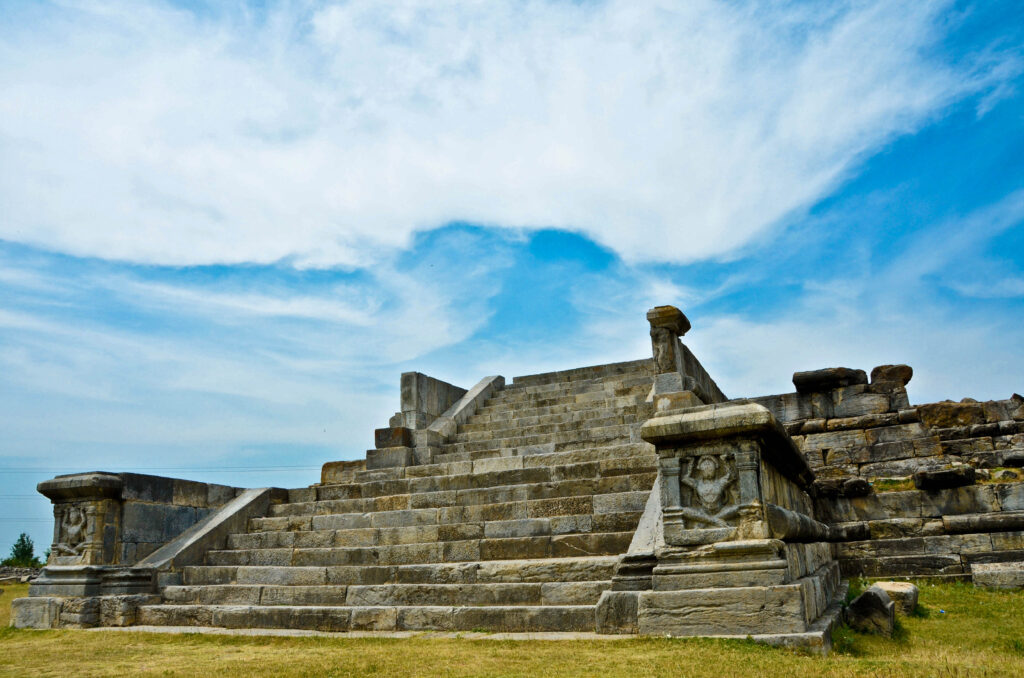
He established a highly centralised administration and created innovative irrigation networks.By clearing river beds and building embankments, he reclaimed massive amounts of waterlogged land in the valley, dramatically increasing agricultural output and preventing famines. His reign ended mysteriously; legends recorded by Kalhana state that he perished during a gruelling military expedition in the cold deserts of Central Asia.
This point also is the starting point for high-altitude alpine treks toward Mount Haramukh and Gangabal Lake.Wangath River (great lakes of Kashmir)
Wangath River: A clear mountain stream running alongside the valley and temple site.
SOUTH KASHMIR
KULGAM – A LAND OF SAINTS
Then began our journey to South of Kashmir with Owase Bashir, our local friend. We drove towards Sinthan top, Dakshum a stunning high-altitude mountain pass, an offbeat tourist destination, and a scenic viewpoint located at an elevation of 12,500 feet (3,810 meters) on the border of the Kishtwar and Anantnag districts in Jammu and Kashmir.
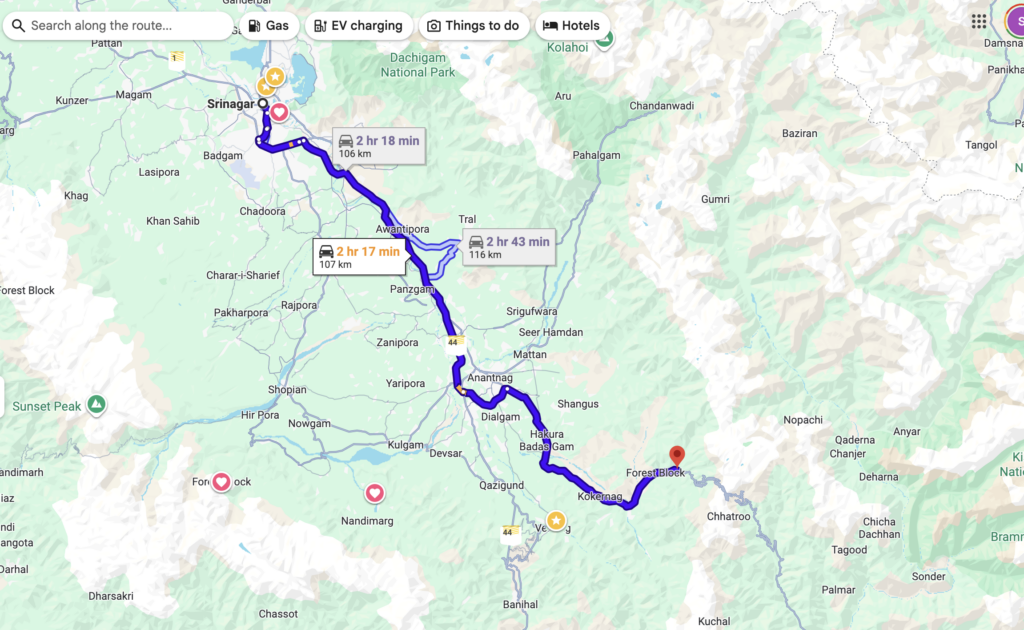
Our route to the South of Kashmir, enroute we saw where the Phulwama attack took place.
As we approached to go to the top, there was a army/local police that stopped us to go further. Since we didnt like the hotels so much in that area, we thought its better to go Kulgam directly Owase’s home. So we drove towards Kulgam, and reached by 9 pm in the night only to be greeted by his warm family. Kashmiri hospitality was at its best here! Kashmiri homes will really pamper you, and we enjoyed the next 3 days eating delicious home cooked meals, and spend our days exploring the area of Kulgam.
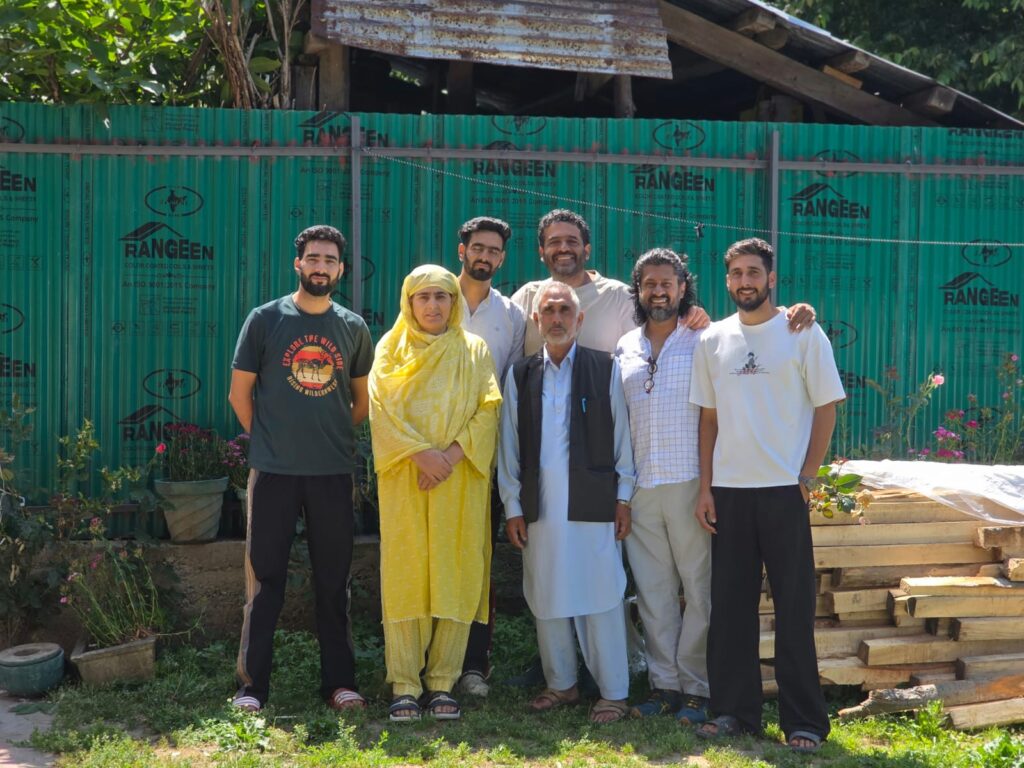
Owase Bashir, with his family, Mom, dad and two elder brothers. They have a sister who is married. It was such a pleasure to enjoy their hospitality.
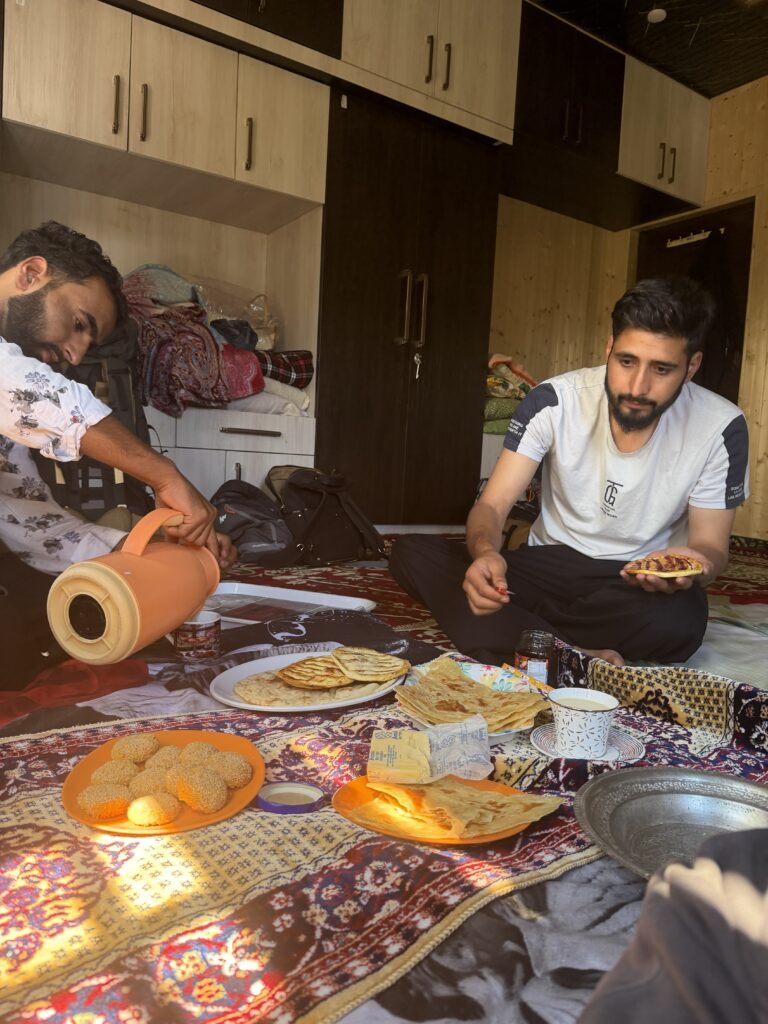
Ozi and his friend Armaan, who was driving us all around Kashmir, serving us breakfast in our rooms.
https://www.instagram.com/khandayshagil
A lot of the places mentioned in my fathers book, An Epic Life, were all nearby for example Sophian (pronounced as Shupyan in Kashmiri) , BijBehara, Anant Naag (named after Sheesh Naag) so I was excited to explore this area.
The name Panchanpathri translates to “Five Valleys” and is rooted in local Kashmiri lore regarding the geographical structure and history of the meadow.Linguistic & Mythological Breakdown”Panchan”: Derived from the regional root word meaning five. Local folklore dictates that this vast alpine landscape originally belonged to, or was protected by, five distinct spiritual guardians who watched over the meadows.”Pathri”: A common Kashmiri geographic suffix that translates explicitly to valley, meadow, or alpine pasture.Because it is situated in a basin overhung by the high mountains of the Pir Panjal range, the convergence of the landscape gives it the appearance and traditional designation of five interconnected valley pastures.
Extreme Left – Armaan teaching me to use SnapChat
Middle – Swiss cows in Kashmir
Extreme Right – The view at Panchanpathri
 |
Extreme Left – Cricket match at PanchanPathri – basically the valley was like a giant stadium with a perfect pitch made in the center, and everyone sits around and watched the match. There was a fan-fare and great jubilation as their team won the Semi-finals.
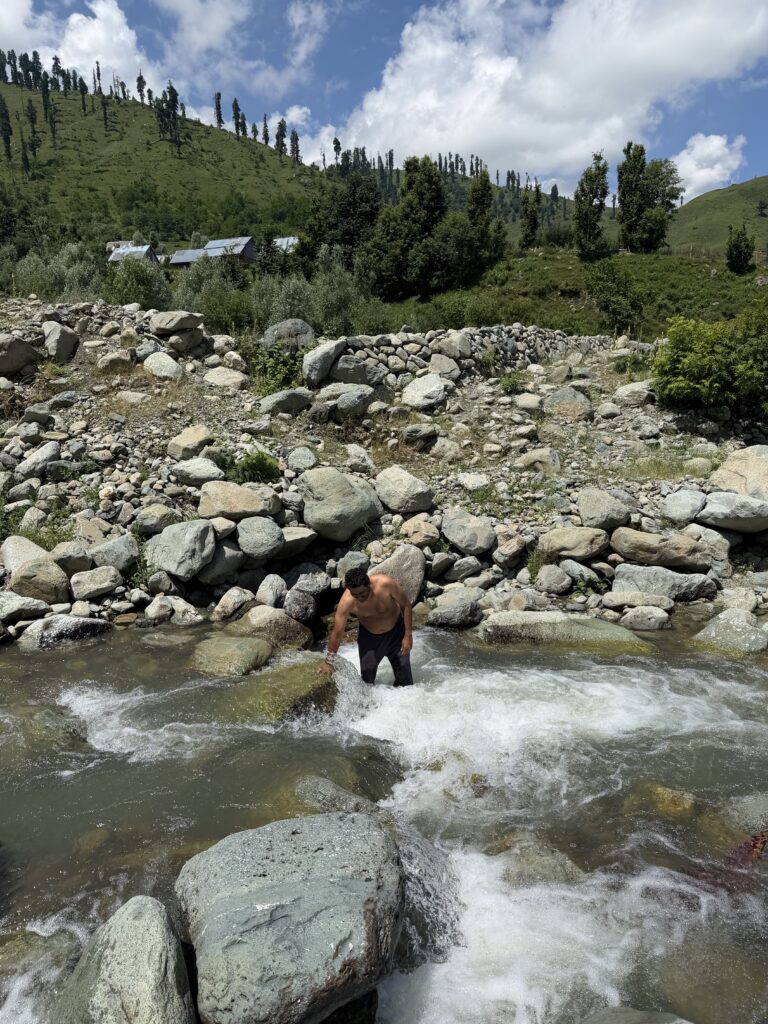
Centre – Swimming in local rivers, caught me an eye infection, I think.
Extreme Right – the beautiful meadows of Panchanpathri.
Extreme Left – Imambargah in D.H. Pora, Kulgam
Centre – Beating of the meat to make Wazwan, during a local marriage ceremony we attended, was one of the highlights of our trip.
Extreme Right – The house decorated for the marriage, there was signing and dancing all nights, and we enjoyed meeting a lot of local people.
The spiritual importance of the Imambargah in D.H. Pora, Kulgam, centers heavily on communal devotion, the Sufi-Rishi ethos, and the historical legacy of Azadari (mourning) in Jammu & Kashmir. The site serves as a vital spiritual pillar for several reasons:
Commemoration of Karbala and Azadari
The primary spiritual anchor of this Imambargah is its role as a congregation hall for mourning the martyrdom of Imam Hussain (A.S.) and his companions at the Battle of Karbala. Devotees gather here during the Islamic month of Muharram and on specific Urs dates to hold Majalis (spiritual congregations) and process into the streets. It stands as a physical symbol of stance against oppression, reflecting the universal principles of truth and justice championed by the family of Prophet Muhammad.
Integration with Kashmir’s Sufi-Rishi Ethos
Kulgam district is historically regarded as the “Land of Saints”. It is deeply influenced by the teachings of celebrated Iranian saints like Syed Simnania (R.A.) and local patron figures like Sheikh-ul-Alam (R.A.). This Imambargah carries forward this syncretic legacy, where the mystical, internal dimension of devotion intersects with regional cultural expressions, drawing people to seek spiritual peace and solace.
Center for Brotherhood and Communal Harmony
Beyond acting as a traditional place of worship, local spiritual centers in Kulgam serve as vital platforms for social cohesion and community outreach. During peak religious assemblies, the site fosters a spirit of selfless humanitarian service, bridging sectarian divides by establishing community kitchens and distributing refreshments (Sabeel) to the public.
The Sufi Rishi tradition is an indigenous, syncretic mystical movement unique to the Kashmir Valley. It beautifully represents the harmony between Islamic Sufism and ancient local spiritual philosophies.
The core facets of this distinct tradition include:
1. The Fusion of Philosophies
Established in the 14th–15th century, the Rishi Order was founded by Sheikh Noor-ud-Din Noorani (R.A.), universally known as Nund Rishi or Sheikh-ul-Alam.
* Etymology: The term “Rishi” is borrowed from Sanskrit, intentionally connecting the order to Kashmir’s pre-Islamic heritage.
* Syncretic Roots: Nund Rishi integrated the fundamental Islamic principles of monotheism (Tawhid) and soul purification (Nafs) with elements of Kashmir Shaivism (Trika philosophy) and Buddhist asceticism.
* The Mentor Bond: He was profoundly influenced by the famous 14th-century Hindu female mystic Lalleshwari (Lal Ded). According to local legend, Nund Rishi refused to nurse as a newborn until Lal Ded held and nursed him herself.
2. Asceticism and Lifestyle
Unlike many Central Asian Sufi orders that operated out of grand urban centers, the Rishis lived purely among the rural masses. They practiced extreme self-discipline and semi-asceticism:
* Worldly Renunciation: Rishis often lived simple hermit lives, meditated in caves, and traveled barefoot across villages.
* Universal Compassion: They practiced strict vegetarianism, vowed celibacy, avoided causing harm to any living creature, and spent their days planting trees and serving the poor.
3. Spiritual Poetry: The Shruks
Nund Rishi spread his messages through oral, rhythmic four-line Kashmiri verses known as Shruks, which locals affectionately regard as the “Kashmiri Quran”. His poetry vehemently criticized religious exploitation, rejected class and caste discrimination, and advocated for absolute humility.
4. Environmental Consciousness
Centuries ahead of his time, Nund Rishi championed environmental preservation. His most famous quote, “Ann Poshi Teli Yeli Yeli Wan Poshi”, translates to “Food will last only as long as the forests last”, highlighting the tight connection between nature and human survival.
5. Lasting Societal Impact
The tradition served as the ultimate bridge of interfaith harmony in Kashmir. Because the Rishis did not force rigid dogmas and instead used local folk idioms, they seamlessly accelerated the spiritual transition of the valley while maintaining a deep bond between Muslims and Hindus. Today, his final resting place, the Charar-e-Sharief Shrine in Budgam, remains an active spiritual beacon for seekers of all faiths.
 |
 |
 |
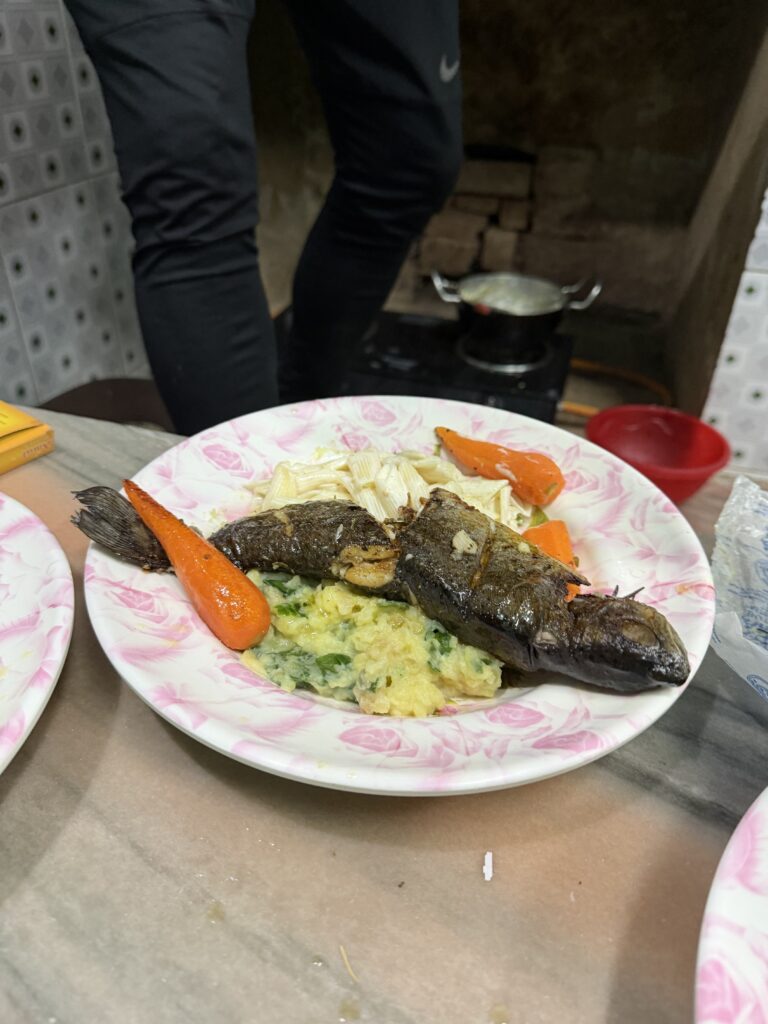
Extreme Left – Trout cooked by Sandy in Owase Bashir home, we bought these from another trout farm we visited in KukerNaag, apparently Asia’s largest.
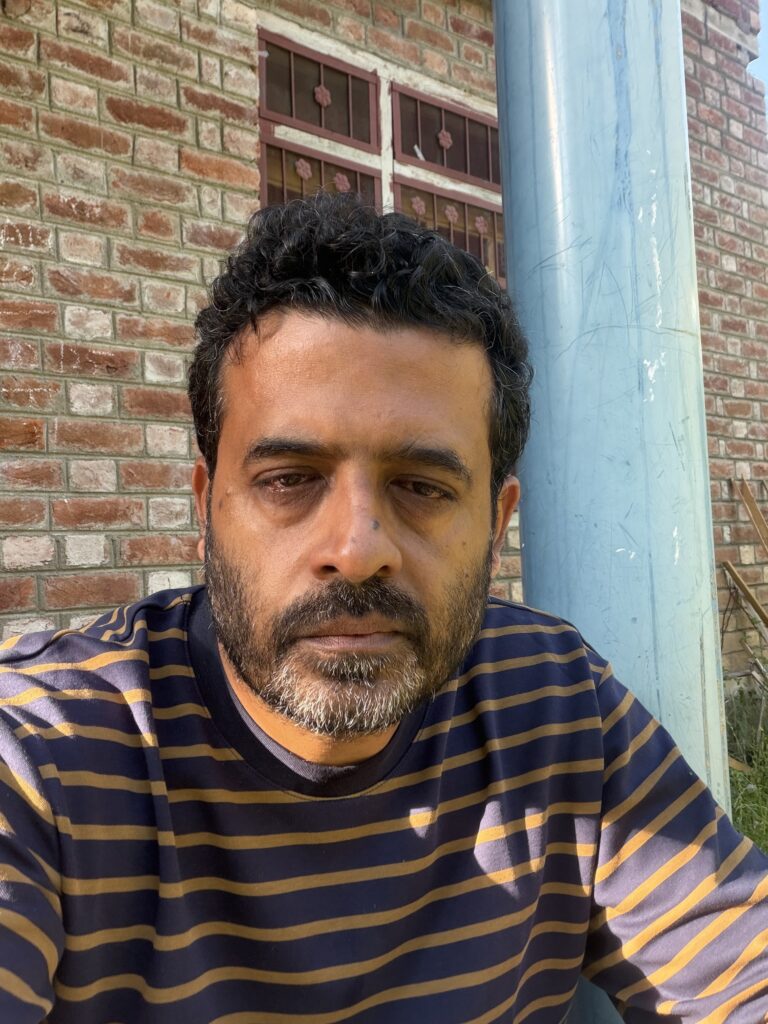
Center – my face with the eye infection
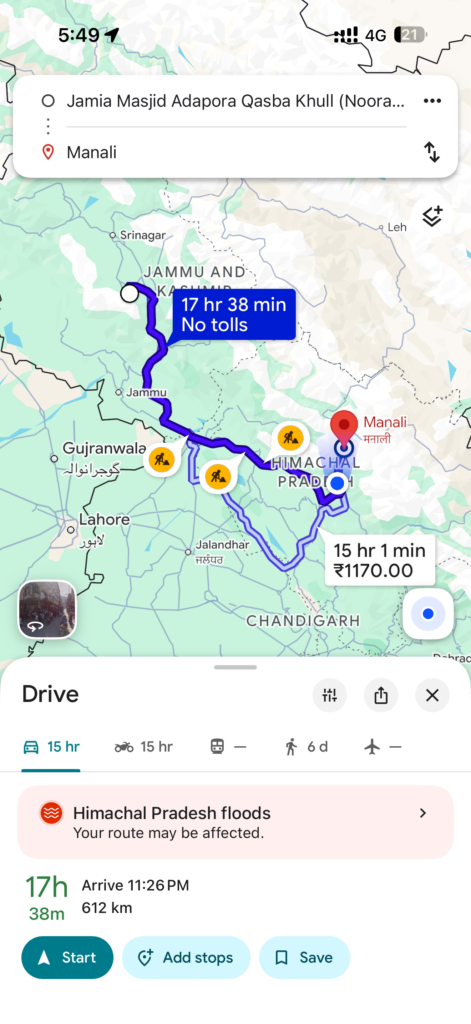
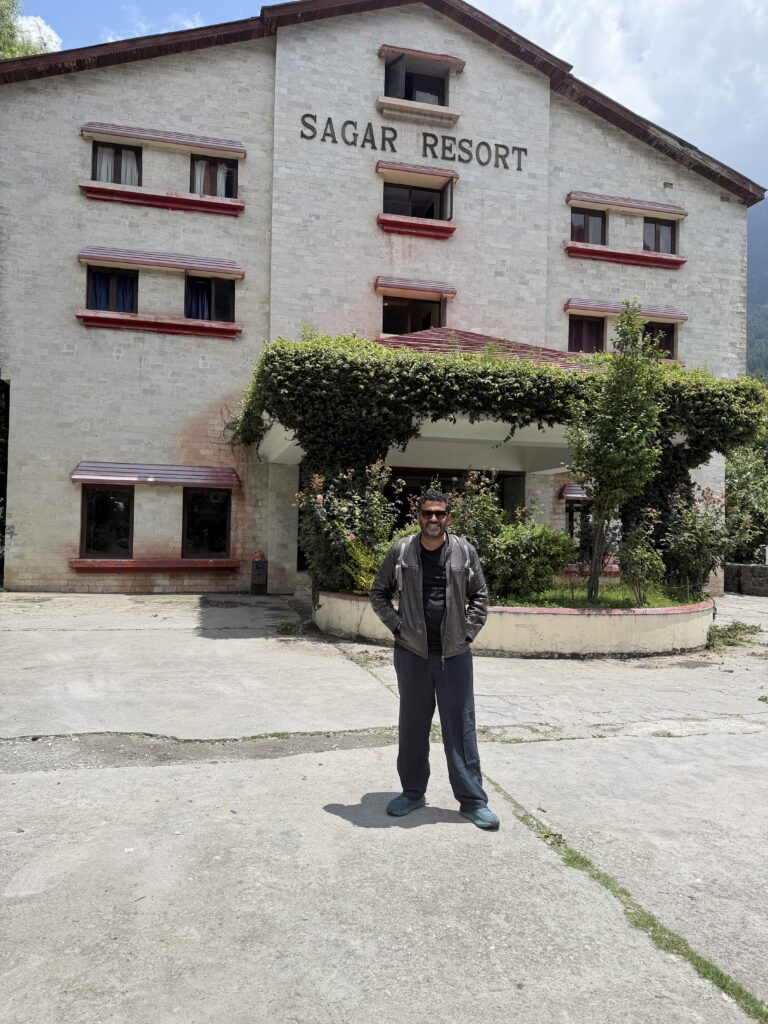
Extreme Right – To end this blog, coz its getting too long already. We drove non-stop from Kulgam to Manali, It took us 20 hours. We left at 10 AM from Kulgam and reached Manali, Sagar Resort at 6 AM. It was exhausting and roads were not so good but our driver was fantastic!
THE END!
It was great to be in Manali for a week, about which I will have to write another blog!